Feeding & diet
Sports-science thinking for working, sporting, and service dogs — load management, recovery science, and honest labels, not hype.
-

Are Table Scraps Actually Bad for Dogs?
A sports-medicine vet's honest answer on whether it's ok to feed dogs table scraps, what actually goes wrong, and how to share food without derailing a dog's gut.
-

How Much Chicken and Rice to Feed a Dog by Weight
A load-based, weight-by-weight guide to feeding chicken and rice safely — how much, how long, and when the bland diet stops earning its keep.
-
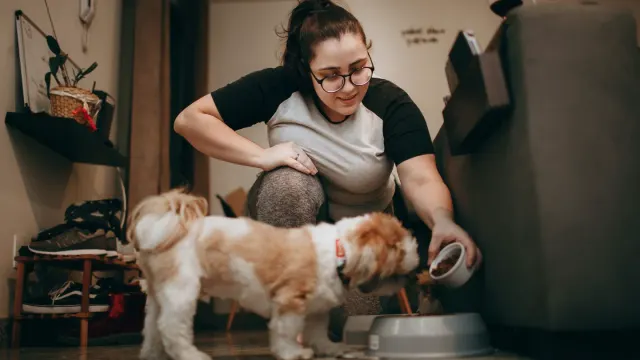
What Is the 10 Percent Rule for Dog Treats?
The 10 percent rule caps treats at a tenth of daily calories — here's why that number holds up, and where a working dog's math changes.
-

The Complete Guide to Feeding Your Dog: A Load-Based Approach to the Bowl
A sports-medicine read on feeding dogs — how to set portions, choose a life-stage diet, manage treats, and adjust for training load, growth, and recovery.
-

Switching Dog Food Without Upsetting Their Stomach
A vet nutritionist's load-management approach to changing a dog's diet — how fast to transition, what the gut actually needs, and when a slow taper isn't enough.
-
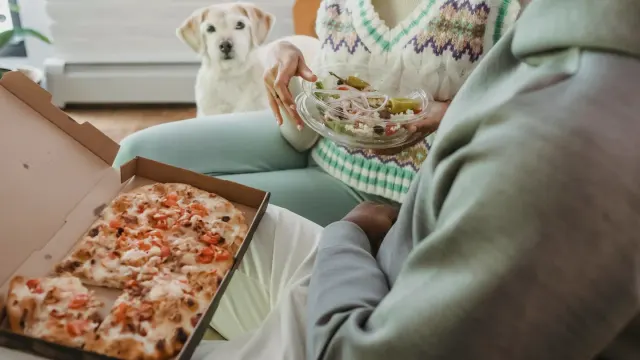
Packing Meals for a Camping Trip With Your Dog
A load-management approach to feeding a dog on the trail — what to pack, how to store it, and why gut stability matters more than novelty when your dog is working harder than usual.
-

Softening Food for an Older Dog: A Load-Management Approach to a Tired Mouth
A veterinary nutritionist's evidence-based guide to softening dry food for senior dogs, covering when it helps, how to do it safely, and what the digestive science actually says.
-
Why Cooked Bones Are Dangerous for Dogs — A Sports-Medicine Read on Splinters, Blockages, and Recovery
Cooked bones don't behave like raw bones in a dog's gut. Dr. Justin Shmalberg breaks down why heat changes bone structure, what that means for a working dog's GI tract, and what actually belongs in the bowl instead.
-

Reintroducing Foods After an Elimination Diet: The Load-and-Recovery Way to Do It
A board-certified veterinary neurologist's method for reintroducing foods after a canine elimination diet — timing, what counts as a reaction, and where gut health fits the recovery picture.
-
Healthy Food Toppers for Dogs: What Actually Belongs on the Bowl
A sports-medicine read on whole-food dog toppers — what pumpkin, plain proteins, and fermented add-ins actually do for digestion and recovery, and what to skip.
-
Can Dogs Eat Apples? A Sports-Medicine Look at Fiber, Sugar, and Prep
Yes, dogs can eat apples in moderation — but seeds, cores, and sugar load change the math for an active dog. A neurologist-nutritionist breaks down the real tradeoffs.
-
Can Dogs Eat Popcorn? What a Sports-Medicine Vet Actually Watches For
Plain, air-popped popcorn is generally fine for dogs in small amounts, but butter, salt, and unpopped kernels turn it into a real risk. Here's the honest breakdown.
-
Can Dogs Eat Strawberries? A Sports-Medicine Read on Fruit, Fuel, and Recovery
Yes, dogs can eat strawberries in modest, sliced portions — here's the evidence-bounded case for when they help a working dog's recovery plan and when they don't.
-
How Much Should I Feed My Dog? A Load-Based Way to Set the Bowl
A neurologist's practical framework for setting your dog's daily food amount — using resting energy needs, body condition, and recovery load instead of guesswork.
-
How Much Should I Feed My Puppy? A Load-Management Read on Growth
A veterinary nutritionist explains how much to feed a puppy using body condition score and growth-rate control, not just the feeding chart on the bag.
-
How to Make Homemade Dog Food Without Wrecking the Skeleton Underneath It
A sports-medicine read on homemade dog food — the checklist, the calcium math, and where gut recovery fits into a bowl you build yourself.
-
When to Switch a Puppy to Adult Food: A Growth-Plate, Not a Birthday, Decision
A board-certified veterinary neurologist explains why the right time to move a puppy off puppy food is set by projected adult weight and growth-plate closure, not age alone.
-
Can Dogs Eat Mushrooms? The Field Rule for Grocery-Bin vs. Backyard Fungi
Most dogs can eat plain, cooked store-bought mushrooms safely, but wild mushrooms are a true veterinary emergency. Here's how to tell the difference fast.
-
Are Onions Toxic to Dogs? Yes — Here's What's Actually Happening in the Bloodstream
A board-certified veterinary neurologist explains why dogs can't eat onions in any form, the dose that matters, and how the damage plays out in red blood cells.
-
Can Dogs Eat Avocado Safely? What the Fat, the Persin, and the Pit Actually Mean
A veterinary nutritionist breaks down why dogs tolerate persin better than other species, why avocado's fat load is the real concern, and what to do if your dog eats some.
-
Can Dogs Eat Bananas? A Sports-Medicine Read on the Potassium and Sugar Tradeoffs
A board-certified veterinary nutritionist breaks down what banana actually offers an active dog, where the sugar and potassium math gets tricky, and the line worth holding at snack time.
-
Can Dogs Eat Blueberries? What They Actually Add to an Active Dog's Bowl
Yes, dogs can eat blueberries in moderation. A veterinary nutritionist breaks down real serving sizes, the sugar and fiber tradeoffs, and what the exercise research actually shows.
-
Can Dogs Eat Ham? What the Salt and Fat Actually Cost a Working Dog
A veterinary nutritionist breaks down why ham's sodium and fat load make it a poor regular choice for dogs, and what a safer occasional bite looks like.
-
Can Dogs Eat Tomatoes Safely?
A neurologist explains which part of the tomato plant actually carries risk for dogs, what tomatine poisoning looks like, and how to read a GI upset like a recovery event.
-
Can Dogs Eat Turkey? A Sports-Medicine Vet's Take on the Safe Way to Do It
Plain turkey is a lean, workable protein for active dogs, but skin, bones, gravy, and alliums turn the same bird into a recovery-day risk. Here's how to sort the two.
-
Can Dogs Eat Watermelon? A Sports-Medicine Read on the Season's Easiest Treat
Dogs can eat watermelon in careful amounts, but the rind and seeds carry real obstruction risk. A vet nutritionist breaks down portions, sugar load, and gut recovery for active dogs.
-
Can Dogs Eat Sweet Potato? A Vet Nutritionist's Guide for Active Dogs
Yes, dogs can eat cooked, peeled, plain sweet potato in small amounts. A board-certified veterinary nutritionist on the fiber, vitamin A, portion sizes, and the grain-free heart-disease question.
-
How to Change Food for a Senior Dog: A Step-by-Step Transition Guide
A vet nutritionist's step-by-step plan for changing a senior dog's food gradually — the 7-to-10-day ramp, what to monitor, and when to call your vet.