Are Onions Toxic to Dogs? Yes — Here's What's Actually Happening in the Bloodstream
Medically reviewed by Roger Clemmons, DVM, PhD, DACVIM (Neurology and Neurosurgery), CVA, CVFT — For general education — not a substitute for veterinary care.
Yes: dogs can't safely eat onions in any form — the same compounds that flavor your dinner attack their red blood cells.
On this page
A friend of mine runs agility with a border collie named Scout, and one Sunday after a trial he made the two of them a celebratory dinner — steak scraps for Scout, onions and garlic sizzling in the same pan for him. He scraped the pan drippings into Scout’s bowl on top of her kibble, the way you’d toss a working dog a reward for a clean run. Nothing happened that night. Nothing happened the next morning, either. It was two days later, when Scout’s gums looked a shade paler than usual and she quit her fetch game early, that he called his vet and mentioned the pan drippings almost as an afterthought. That lag — feeling fine, then quietly not — is the entire story of onion toxicity in one sentence, and it’s why I don’t treat this as a gray area.
So let’s put the verdict up front, because a working dog’s owner doesn’t need me to hedge: onions are toxic to dogs, full stop, in every form you’d encounter them — raw, cooked, dehydrated, powdered, or hiding in a low-sodium broth someone poured over dinner as a treat. The amount that matters is smaller and more variable than most owners assume, and there’s no serving size worth building into a routine.
What’s Actually Happening Inside the Red Blood Cell
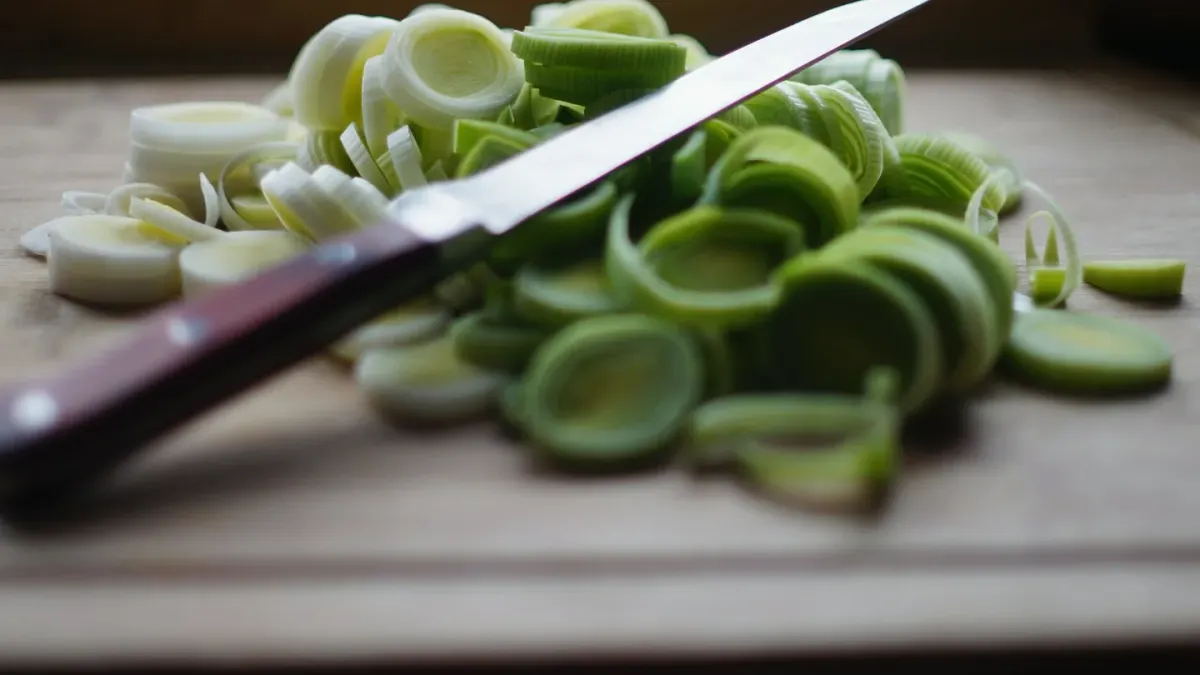
Onions and the rest of the Allium family (garlic, leeks, shallots, chives) contain sulfur-containing organic compounds that dogs handle poorly. Once absorbed, those compounds oxidize hemoglobin inside red blood cells, producing what’s called Heinz body formation and, in more severe cases, methemoglobinemia — both of which shorten the cell’s working life. According to the Merck Veterinary Manual, that oxidative damage begins within 24 hours of ingestion and peaks at approximately 72 hours, while visible hemolysis and clinical signs typically don’t show up until three to five days after exposure. That gap between cellular injury and visible illness is the trap. An owner sees a fine, energetic dog for two or three days and reasonably assumes the meal was harmless.
The Dose Question, Answered Honestly
Owners want a number, so here’s the one that exists: the Merck Veterinary Manual notes that in dogs, ingestion of roughly 15–30 g/kg of raw onion has produced clinical signs. For a 25-kilogram working dog, that’s a meaningful pile of raw onion — but it is not a green light for smaller amounts. Individual sensitivity varies, cooking and dehydration concentrate the compound rather than neutralizing it, and repeated small exposures (a dab of onion-seasoned gravy here, a bite of a burger there) can add up over time in ways a single-incident dose threshold doesn’t capture. I don’t ask owners to do that math at the stove. I ask them to keep onion, in any form, off the ingredient list entirely.

Why an Athlete’s Body Feels This First
Here’s the part that matters specifically for a dog doing real physical work, whether that’s agility, hunting, or long trail miles: red blood cells are the entire supply chain for oxygen delivery to working muscle. A dog losing red blood cell mass to oxidative damage isn’t just “a little tired” — she’s running a recovery deficit before anyone notices a symptom. That’s not a case where I split the difference between conventional and integrative medicine. This is a moment to reach for both the imaging study and the acupuncture needle in spirit, if not in this exact scenario — meaning I want hard diagnostics first, a CBC and a clinical exam, before any supportive or complementary care gets layered on top. Food therapy has a real place in this field. It does not have a place in a suspected toxin exposure.
The Sneaky Forms Nobody Budgets For
Most owners picture a fresh half-onion left within reach and stop there. The riskier exposures I actually see discussed are the quiet ones: onion powder in a store-bought gravy, dehydrated onion flakes in a seasoning blend, table scraps from a dish that started with a sautéed onion base, or bone broth someone made from restaurant stock. Powdered and dehydrated onion concentrate the compound relative to raw onion by weight, so a small amount of a heavily seasoned dish can deliver more of the offending sulfur compound than a slice of raw onion would. If you’re transitioning a dog onto home-cooked meals or a new commercial food, read every ingredient panel for onion, onion powder, and dehydrated onion before it goes in the bowl — not after.
Where This Fits Into the Bigger Gut-Recovery Picture
Onion toxicity is a poisoning event, not a digestive-health story, and I want to be precise about that distinction rather than blur it. But it sits inside the same broader picture we cover on this desk: a working dog’s gut is part of its recovery machinery, the same way its tendons and joints are. Separate from onion exposure specifically, the Journal of the American Veterinary Medical Association notes that conditions like exocrine pancreatic insufficiency are managed through enzyme replacement, nutritional adjustment, and cobalamin supplementation — a reminder that digestive function is a system that can be supported, not just a symptom to chase. And on the probiotic side, a 2025 study in Frontiers in Veterinary Science found that diversity metrics did not distinguish which dogs responded to probiotic supplementation from those who didn’t — a useful bit of humility about how much we still don’t know about matching a supplement to an individual gut. Read more on how food and the microbiome interact in our diet and gut health guide, and on where fiber intake tips from helpful to excessive in our piece on fiber limits.
What To Actually Do If It Happens
If you know or strongly suspect your dog ate onion in any form, don’t wait to see if she seems fine. Call your veterinarian or an animal poison control line the same day, note the approximate amount and form (raw, cooked, powdered), and be ready to describe your dog’s weight. Bloodwork can catch the early signs of oxidative damage well before pale gums or lethargy show up on their own.
The honest bottom line: there is no dose of onion I’d call worth the risk for a dog, working or otherwise, and the two-to-three-day delay between exposure and symptoms is exactly why this isn’t a wait-and-watch situation.
Frequently asked questions
Is a small amount of onion powder in gravy or broth actually dangerous?
Powdered and dehydrated onion are more concentrated than raw onion by weight, so a few tablespoons of onion-heavy gravy can deliver more of the offending compound than a slice of raw onion would. Treat powder and broth as the higher-risk forms, not the safer ones.
How would I know if my dog is already reacting to onion?
Early signs — lethargy, pale gums, reduced appetite, dark urine — can lag the ingestion by several days because the red blood cell damage accumulates before it becomes visible. If you know or suspect exposure, don't wait for symptoms before calling your veterinarian.
Are shallots, chives, and leeks just as risky as onions?
They belong to the same Allium family and share the same mechanism of harm, so yes — the same caution applies across the whole group, not onions alone.
Sources
- Garlic and Onion (Allium spp) Toxicosis in Animals — Merck Veterinary Manual
- Exocrine Pancreatic Insufficiency in Dogs and Cats — Journal of the American Veterinary Medical Association
- Probiotic Supplementation and Gut Microbiome Diversity in Dogs — Frontiers in Veterinary Science