Yorkie vs Maltese: Which Small-Breed Body Actually Holds Up Better?
Yorkie vs Maltese comes down to joint load, dental crowding, and how much daily maintenance you can sustain.

On this page
A four-pound Maltese I worked with came in for a wellness visit after her owner noticed she’d started hopping rather than trotting down the hallway — no yelp, no obvious injury, just a hitch in her right hind leg every few strides. She was two and a half years old, indoor-only, on hardwood floors most of the day. On exam, her patella slid medially out of the trochlear groove with light pressure and popped back on its own. That’s a grade II luxation, and it’s about as textbook a small-breed presentation as I see. The owner had assumed a dog that size couldn’t have a “real” orthopedic problem. Size is exactly the reason she did.
The verdict, stated plainly: neither breed is structurally “tougher,” but they load differently. The Yorkshire Terrier and the Maltese are both toy breeds under roughly ten pounds, both prone to patellar luxation, and both carry above-average dental risk for their size. Where they diverge is coat physics and, to a lesser extent, liver risk — the Maltese carries a meaningfully documented predisposition to portosystemic shunt that the Yorkie does not share to the same degree. If you’re choosing between the two on health grounds, you’re really choosing between two different maintenance schedules, not two different risk tiers.
The joint picture is nearly identical, and that’s the point
Patellar luxation is the single most consistent orthopedic finding in both breeds, and it’s not a rare or exotic diagnosis — it’s a structural consequence of a shallow trochlear groove and lax medial soft tissue that toy breeds are disproportionately born with. Cornell University College of Veterinary Medicine describes patellar luxation as one of the most common orthopedic conditions in small and toy breeds, with the kneecap sliding out of its normal groove — usually medially — during flexion and extension. This isn’t a training-load problem you can condition away; it’s a groove-depth and ligament-tension problem present from birth in a meaningful share of these dogs.
What that means day to day: grade I and II luxations (the kneecap pops out and self-reduces) often stay subclinical for years, showing up only as an intermittent skip-step. Grade III and IV (the kneecap stays out, or the dog can’t extend the leg normally) usually need surgical correction. Bodyweight matters here in a way owners underestimate — a toy breed running a pound over their ideal weight is carrying a proportionally larger load on a joint that already has less margin than a Labrador’s. Neither breed benefits from being kept lean “just because.” It’s a specific defense against a specific structural weak point.
Dental load: the maintenance item most owners underrate
Small mouths crowd more teeth per square inch than large-breed mouths do, and that crowding accelerates plaque accumulation and periodontal disease. A UK primary-care epidemiology study published as part of the PMC (National Institutes of Health): Epidemiology of periodontal disease in dogs in the UK primary-care veterinary setting found small and toy breeds carried disproportionately high periodontal disease prevalence compared with larger dogs, with several toy and small breeds landing among the highest-risk groups identified. Yorkies and Maltese both fall into that bracket. Retained deciduous (“baby”) teeth are also common in both breeds — a puppy tooth that doesn’t fall out on schedule crowds the permanent tooth erupting next to it and distorts the gumline, which is exactly the kind of local mechanical problem that predicts periodontal disease later. If your Yorkie or Maltese still has visible puppy canines past six months, that’s worth a vet check, not a wait-and-see.
Neither breed’s dental risk is manageable with brushing alone once crowding is present, but brushing plus early professional cleanings measurably slows the progression. This is a maintenance-schedule difference, not a severity difference between the two breeds — I don’t see one breed’s mouths hold up meaningfully better than the other’s over a working lifetime.
Coat and liver risk are where they actually split
The Maltese’s single-layer, continuously growing coat and the Yorkie’s fine, silky coat both mat if neglected, but the Maltese’s white coat also stains and tangles faster around the eyes and mouth, which is a cosmetic and skin-fold hygiene issue more than an orthopedic one. The bigger real divergence is hepatic: the Maltese is one of the breeds most consistently flagged for congenital portosystemic shunt, a vascular malformation where blood bypasses the liver instead of being filtered through it. American Kennel Club: AKC lists the Maltese breed standard at no more than seven pounds at maturity — a genuinely tiny frame that leaves little physiological reserve, which is part of why breed clubs and referral hospitals watch this population closely for liver-shunt signs like poor growth, unusual lethargy after meals, or neurological symptoms in a young dog. The Yorkshire Terrier is not exempt from liver shunts, but the literature and referral caseloads point to the Maltese carrying the stronger predisposition of the two.
What I actually tell owners choosing between them
I had a family in my practice deciding between a Yorkie puppy and a Maltese puppy for a household with two kids and hardwood floors throughout the main level. I told them what I’ll say here: pick based on coat commitment and household routine, not on hoping one breed dodges the joint issue. The Maltese’s coat needs near-daily attention to avoid matting if kept long; the Yorkie’s coat is more forgiving at a shorter clip but still mats fast if skipped for more than a week or two. Both dogs needed rugs or runners on the hardwood before day one, because a young toy-breed dog sprinting and cornering on a slick floor is doing exactly the kind of repetitive lateral loading that aggravates a lax patella. That family added runners down the main hallway and to the water bowl, and it wasn’t a cosmetic choice — it was the single cheapest orthopedic intervention available to them.
For related breed comparisons with a similar structural lens, see our look at French Bulldog vs Boston Terrier and Border Collie vs Australian Shepherd. If floor space and joint-friendly living matter more than the breed choice itself, our guide to Best Dog Breeds for Apartment Living walks through what actually predicts success indoors.
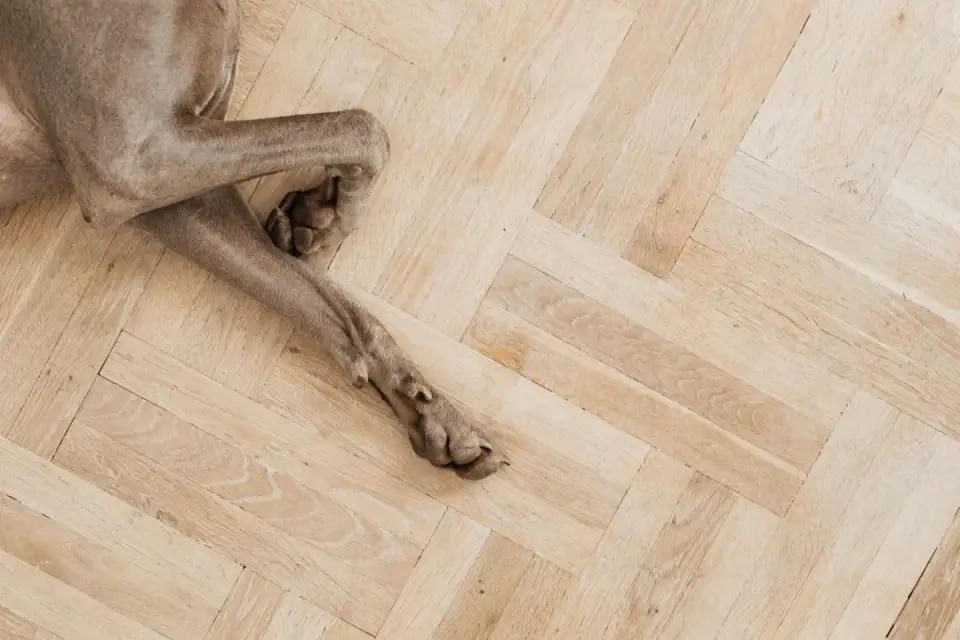
Realistic timelines matter more than a diagnosis label here. A grade I or II luxation caught early and managed with weight control, joint-safe flooring, and monitored activity can stay a non-surgical, structure-and-function issue for a dog’s whole life. Waiting until a dog is chronically three-legged before addressing it is what pushes a manageable case toward surgery. That’s true in both breeds equally — the difference between a Yorkie and a Maltese isn’t in what to watch for, it’s in how much coat and dental upkeep you’re signing up for around it.
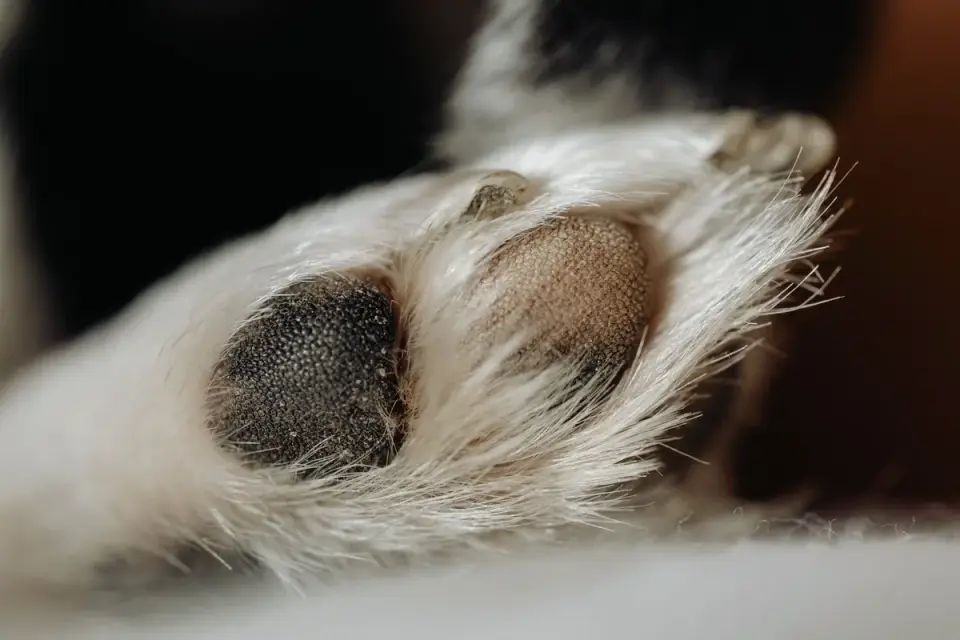
The short version
Health-wise, these two breeds are closer than their coats suggest. Both carry real patellar luxation risk and above-average dental crowding; the Maltese carries the added, better-documented liver-shunt watch point. Choose the Yorkie if you want a slightly more forgiving grooming schedule at a practical length; choose the Maltese if you’re prepared for near-daily coat care and want to stay especially alert for early-growth or post-meal symptoms tied to liver function. Either way, floor traction, lean body condition, and a dental plan started early are the three levers that do the most real work over that dog’s lifetime.
Frequently asked questions
Is a Yorkie or a Maltese more prone to knee problems?
Both breeds carry a well-documented predisposition to patellar luxation as a class of toy dogs; neither breed is clearly worse than the other in the current evidence, so weight management and floor traction matter for both.
Do Maltese dogs really get liver shunts more than other small breeds?
The Maltese is one of the breeds most consistently associated with congenital portosystemic shunt in veterinary literature and referral caseloads, more so than the Yorkshire Terrier.
Which breed needs less grooming, Yorkie or Maltese?
A Yorkie kept in a short, practical clip is generally more forgiving day to day than a Maltese's continuously growing coat, which mats and stains faster without near-daily attention.
Sources
- Patellar Luxation — Cornell University College of Veterinary Medicine
- Epidemiology of periodontal disease in dogs in the UK primary-care veterinary setting — PMC (National Institutes of Health)
- Maltese Dog Breed Information — American Kennel Club