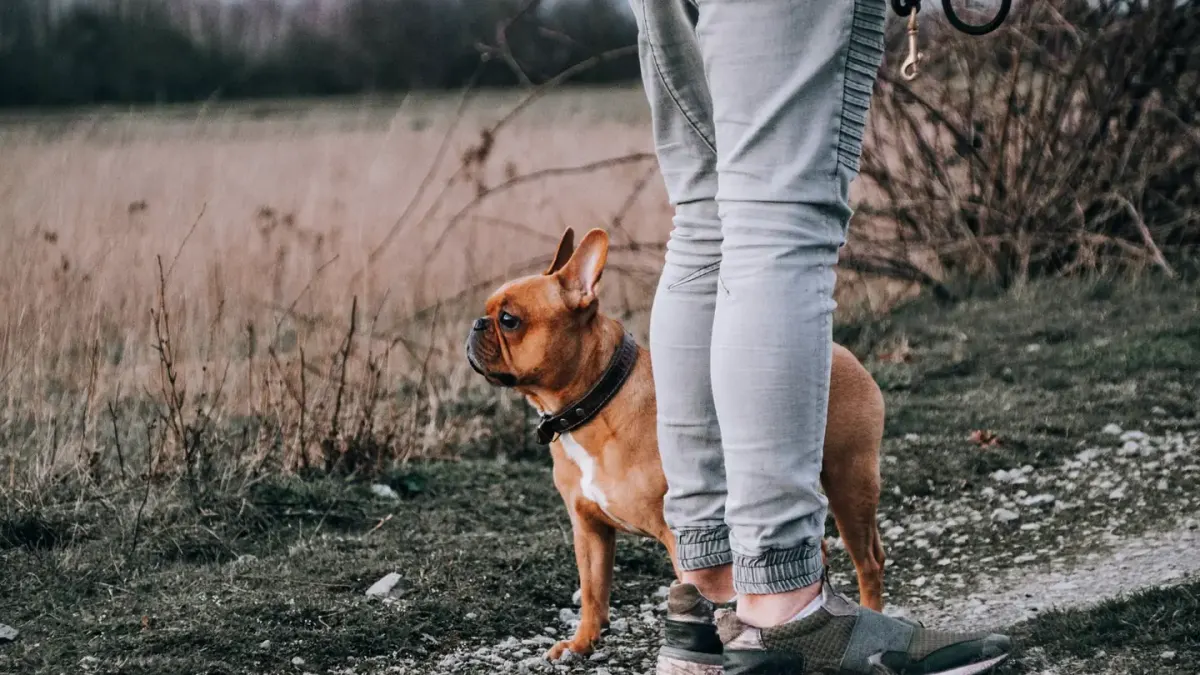
Joanne lets Kori, her 3-year-old neutered male Pembroke Welsh Corgi mix, range ten feet ahead on a Lakeland, Florida path. He snuffles a mulch bed, snaps at a brown mushroom, and keeps trotting. Nothing looks wrong yet.
Save the emergency number before you fix anything else. That decision beats plant ID apps, home remedies, and wait-and-see.
Outdoor dogs meet toxins at nose height. Sago palm seeds in yards, oleander on neighborhood edges, wild mushrooms after rain, compost, rodenticides, slug baits, fertilizer, and antifreeze puddles. You will not identify most mushrooms in the field, and that uncertainty is the point. For fungi questions, read Pet Poison Helpline on mushrooms in the same breath as your plan to call, not as a substitute for calling. For yard and trail plants, check the ASPCA toxic plant list when you are home and calm, not when your dog is drooling.
Lock in your poison plan on a rest day
Put two numbers in your phone today: your veterinarian and a poison control line. Note your dog’s weight in the same contact. Kori weighs 28 pounds, and Joanne keeps that number where a sitter can find it. Add a photo of the product bag or plant when you can get one safely.
Keep dogs leashed around mulch beds, bait stations, and standing water. Training a solid leave-it and a trade for a high-value treat protects tissue tolerance better than any detox claim, because repeated low-grade gut upset steals training days and recovery windows.
If you want a refresher on field fungi, see Can Dogs Eat Mushrooms? The Field Rule for Grocery-Bin vs. Backyard Fungi before your next wet-weather run.

What exposure looks like in a working dog
Vets often see the same early pattern: sudden drooling, vomiting, diarrhea, wobbliness, or a dog that quits work for no clear reason. Bleeding, tremors, collapse, pale gums, or labored breathing mean obstruction, toxicosis, or decompensation until proven otherwise.
Do not induce vomiting unless poison control tells you to do it. Caustics, hydrocarbons, and sharp plant material can injure more on the way up.
Onion and garlic dumps from camp cooking count too. Are Onions Toxic to Dogs? Yes — Here’s What’s Actually Happening in the Bloodstream explains why even table-scrap amounts matter for an active dog.
The first 30 minutes decide the outcome
Call fast.
Have weight, product name, amount eaten, and time of exposure ready. Bring the label or a clear photo of the mushroom or plant, plus a sample in a bag only if you can collect it without delaying the call. Note onset time. That timeline guides decontamination and monitoring.
Rinse skin and paws with lukewarm water after chemical contact. Keep the dog quiet and warm during transport. Movement spreads some toxins faster and masks signs you need to report.
Skip milk, oils, and home antidotes.
So what should you carry? Phone, leash, water, a waste bag for a sample, and your vet’s after-hours directions. That kit fits every fitness plan, including the conditioning work in Dog Treadmill vs Outdoor Walking: What Actually Builds Fitness and Protects Joints.
Will calling early ever be wrong? No. Early advice prevents the wrong treatment as often as it starts the right one.
Sources
- Animal Poison Control — ASPCA
- Poison Information — Pet Poison Helpline