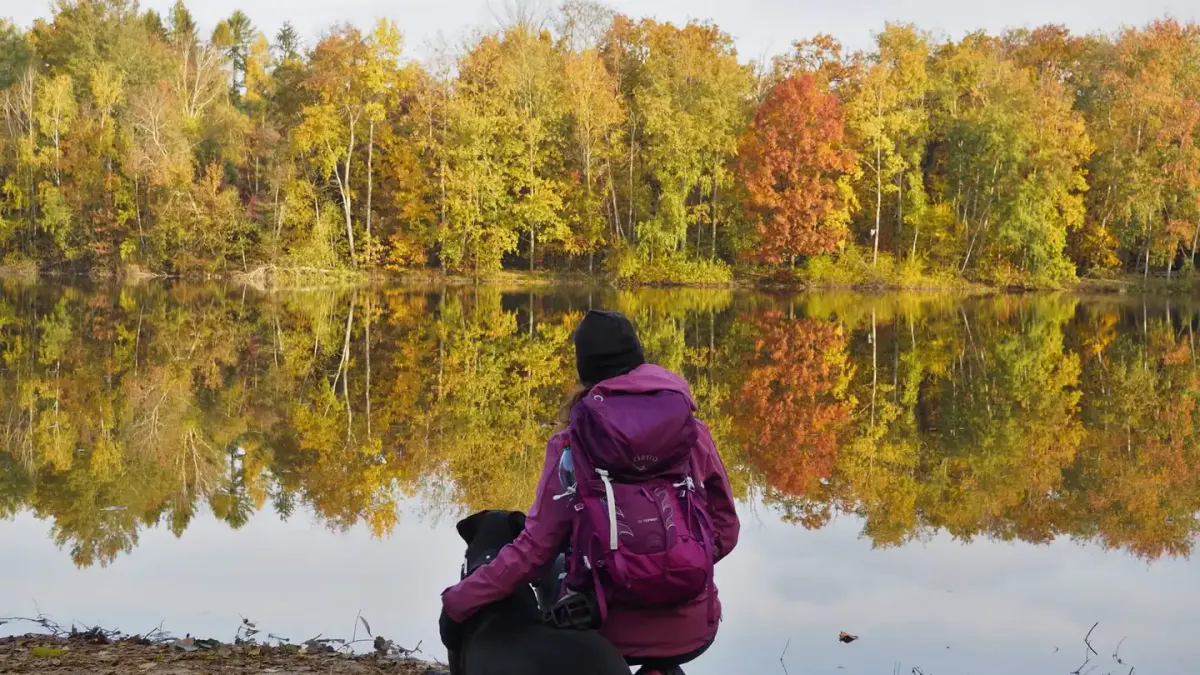
You meet them at the trailhead parking lot, the little dog trotting out of the car like it owns the mountain. Owners often assume dogs that stay small are lap-only travelers, but build and conditioning tell a more useful story.
My take after years of preventive-care counseling: pick the athlete, not just the size. A sturdy 12-pound terrier with straight legs and a working history will usually out-hike a delicate 8-pound dog with a long back and short legs, even if both qualify as small.
That surprises a lot of families. The skeptical question I hear is fair — can a 10-pound dog really handle a three-mile loop without paying for it tomorrow? The answer is sometimes yes, with load management. Short limbs take more strides per mile, nails and pads take more impact, and heat loss and heat gain run faster in a small body. Plan distance, surface, and rest the way you would for any athlete.
What staying small means for load and recovery
Small stature changes mechanics. A shorter stride means higher step frequency for the same pace, which raises cumulative joint cycles over distance. The American Kennel Club breed pages are a practical place to check adult weight ranges and original function, because a breed developed to walk fields all day tends to carry more tissue tolerance than one developed strictly for companionship.
Think in three filters:
1. Structure
Look for balanced proportions, straight forelegs, and a level back. Dogs with very long backs, very short muzzles, or bowed legs often struggle with repetitive loading on uneven ground.
2. Engine
Terriers, miniature herders, and small sporting types were selected for sustained activity. They tend to recover faster between outings when conditioning is gradual.
3. Coat and climate fit
A dense double coat insulates on cold mornings but holds heat on exposed afternoon climbs. A thin single coat does the opposite. Match the dog to where you actually travel.
Vets often see the mismatch in summer: a fit little dog that hikes well in April fades fast in July. VCA Animal Hospitals notes that exercise tolerance varies by breed, age, and health status, which is why baseline fitness and behavior on the trail matter more than enthusiasm at the start.

7 small breeds that often travel and hike well
These are patterns, not promises. Individual structure and training matter more than the breed label.
1. Miniature Poodle Athletic, springy, and eager to learn trail manners. The non-shedding coat needs regular maintenance after brush and dust.
2. Jack Russell Terrier High stamina for its size, tough feet, and constant motion. Best for owners who can give it a job and clear boundaries.
3. Miniature Schnauzer Sturdy and portable, with a steady trot that holds up on packed trails. Watch weight; extra pounds load small joints fast.
4. Dachshund (miniature, well-bred) Surprisingly enduring on flat to rolling terrain, but the long back changes the calculus. Skip scrambles, jumps, and long descents.
5. Papillon Light, agile, and heat-tolerant relative to heavier-coated toys. A good pick when you want under 10 pounds with real agility.
6. Yorkshire Terrier Feisty and trail-curious when conditioned gradually. Small size helps for carrying through tricky sections, which is part of Traveling With a Small Dog vs a Large Dog: What Actually Changes planning.
7. Mixed-breed terrier under 20 pounds Many shelter terrier mixes combine sound legs, moderate coats, and workmanlike stamina. Judge the individual dog in front of you.
Bomi, a 3-year-old spayed female Catahoula Leopard Dog, is larger than this list, but her owner Vicki’s lesson in Jersey City applies here: she added distance in half-mile steps over four weeks and tracked next-day soreness and paw wear. That slow ramp is exactly how small-breed stamina should be built.
How to test fit before you commit to miles
Start with a 30-minute walk on varied surfaces and watch recovery over 24 hours. Normal is tired and hungry, then bright the next morning.
Cut the outing short and call your veterinarian if you see lagging, sitting down on trail, heavy panting that does not resolve with rest and water, limping, or carrying a leg.
Paw and joint checks matter here. The Merck Veterinary Manual outlines how lameness and musculoskeletal strain present in dogs, which helps owners separate normal fatigue from a load problem.
Conditioning beats mileage.
For ideas that build strength without pounding joints, see Exercise Ideas for Toy and Small Breeds: A Load-Smart Guide. For air travel with a portable dog, review How to Fly With a Dog: The Complete Guide before you book.
What if you already share life with a fragile-build small dog? You can still travel well with shorter loops, softer surfaces, and a carrier for the return half.
Frequently asked questions
What weight counts as a dog that stays small?
Most sources group small breeds around 10 to 22 pounds adult weight, with toys under 10 pounds. Check the breed standard and the parents when possible, because lines vary.
Can small dogs hike 3 to 5 miles?
Some conditioned small breeds can, on moderate terrain with water and rest breaks. Build distance gradually, watch next-day recovery, and ask your veterinarian about limits for flat-faced, long-backed, or senior dogs.
Which small dogs handle travel best?
Calm, crate-comfortable dogs with sound legs and moderate coats usually adapt best to car and cabin travel. Temperament and training often matter more than breed.
Sources
- AKC Dog Breeds — American Kennel Club
- Introduction to Bone, Joint, and Muscle Disorders of Dogs — Merck Veterinary Manual