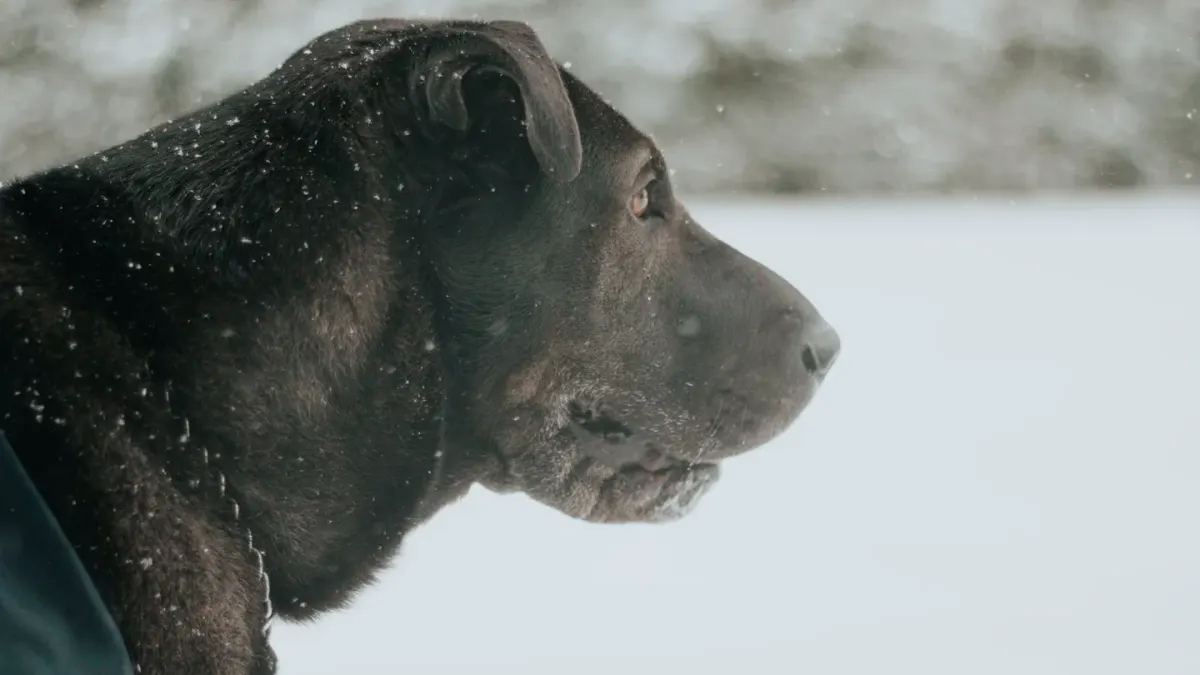
A blue heeler moves ten yards up the switchback, stops, and checks back over his shoulder like stock might come around the bend. That glance tells you everything about an Australian cattle dog as a trail partner.
My expectation-first verdict is simple: this is an excellent trail athlete for an owner who already trains and works a dog most days, and a frustrating mismatch for an owner who wants a weekend hiking buddy. Without structured work, the same drive that makes a heeler tireless turns into nipping, chasing, barking, and destruction at home.
Start with this screen before you plan a single route.
Can you live with a cattle dog on the trail?
- Daily work budget: 60–90 minutes of exercise plus training, scent work, or chore-like tasks on most days
- Handling skill: comfort rewarding calm behavior and interrupting eye, stalk, chase, and heel-nipping around runners, bikes, and other dogs
- Leash plan: willingness to keep a harness and long line on until recall holds around movement, which often takes months
- Load progression: patience to build distance, elevation, rough footing, and heat exposure gradually, with real rest days
- Off-switch plan: a place cue, crate routine, and mental work at home, because miles alone rarely settle this breed
If three of those feel like a stretch, choose a calmer companion. That choice protects both of you.
What kind of athlete is a cattle dog?
Think compact endurance worker, not sprinter. The American Kennel Club describes the breed as sturdy, muscular, and built for long days moving stock over rough ground, typically 35 to 50 pounds with strong stamina and independent problem-solving.
That build handles uneven trail well. The mind is the larger load to manage.
Vets often see the same trail pattern in adolescent heelers: polite on mile one, pushy on mile four, reactive when a bike whirs past. That is herding motor pattern leaking out without livestock to finish it.
How much herding shows up on foot?
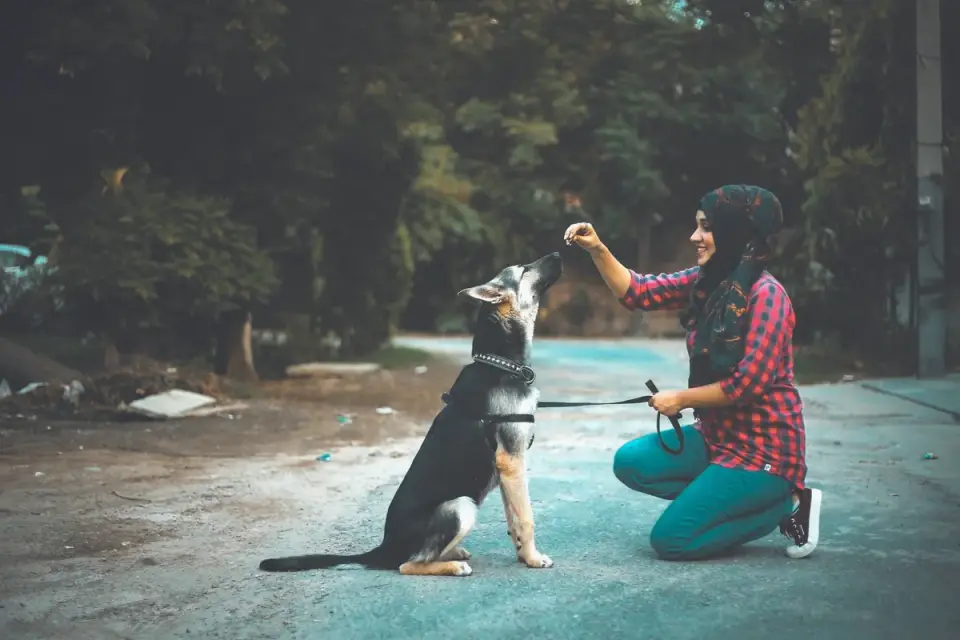
Expect it from the start. Circling behind you, cutting in front of other dogs, gripping pant legs, staring at wheels, and barking at runners are breed-typical, not unusual aggression. VCA Animal Hospitals notes strong herding and guarding tendencies alongside high exercise and training needs, which matches what owners feel when movement triggers the sequence.
Prevention works better than correction. Build a baseline of name response, leave it, a middle position between your legs, and a down-stay on a mat at overlooks. Practice those behaviors at home first, then near trailheads, then on quiet trails. Off-leash freedom should be earned in low-distraction areas with a long line as the bridge.
What does enough mental work look like?
A tired body without a used brain still herds the living room. Rotate short training sessions, food puzzles, toy searches, and chore-like routines such as carrying a light pack on command, waiting at gates, and settling on place while you cook.
Readers weighing herding breeds often find Border Collie vs Australian Shepherd: Which Working Dog Fits Your Training Load? useful because collies and Aussies load differently even though all three breeds need daily work. If your honest schedule looks more like short neighborhood loops, Best Low-Maintenance Dog Breeds for Busy People: What Actually Predicts Success and Best Dog Breeds for Apartment Living: What Actually Predicts Success set a kinder expectation.
How do you build trail load without breaking the dog down?
Treat conditioning like tissue tolerance: gradual exposure, then sleep and repair. Growth plates, heat, pads, and prior soreness set the ceiling more than enthusiasm does. Ask your veterinarian to set starting distance and surface rules for your individual dog, especially under 18 months and after age 7 or 8.
Favor shorter, frequent outings on forgiving footing over one exhausting weekend epic.
Watch recovery like a training log. Note next-day stiffness, lagging on hills the dog usually climbs, licking a joint, worn or tender pads, poor drinking on trail, and a hard crash at home.
Where do joints fit into the plan?
No athletic breed is free of orthopedic risk. Hip and elbow dysplasia and kneecap issues occur in the cattle dog population, which is why screening history matters when you choose a breeder or review a rescue’s records. The Orthopedic Foundation for Animals maintains the public databases many breeders use to report hip, elbow, and patella results, and asking for those results is part of preventive planning.
What you control afterward is load. Keep body condition lean, build hills and varied footing slowly once your veterinarian clears it, and protect rest days after hard efforts. A sore adolescent pushed through a long descent is borrowing from future soundness.
Heat deserves its own limit. A heeler will often keep working past thirst and fatigue. Carry water, offer small drinks on a schedule, choose shade and early hours, and turn back before the dog tells you to.
Good trail dogs are made in the boring middle of the week.
Frequently asked questions
How much daily exercise does an Australian cattle dog need?
Most need 60–90 minutes of combined physical exercise and training or job-like tasks on most days, plus mental work at home. Weekend hikes alone rarely meet that baseline.
Can a cattle dog hike off leash?
Some can with months of proofed recall and herding-impulse control, but start on a harness and long line. Movement from runners, bikes, and other dogs often triggers chasing and nipping before recall is reliable.
Sources
- Australian Cattle Dog Dog Breed Information — American Kennel Club
- About Health Screening Databases — Orthopedic Foundation for Animals